Understanding the psychology behind gambling addiction and its impact on decision-making
The Nature of Gambling Addiction
Gambling addiction is often classified as a behavioral addiction, similar to substance abuse. It involves an intense urge to gamble despite the negative consequences that can ensue. The thrill of risk-taking and the potential for financial gain can become so compelling that it overrides rational thinking. This compulsion often leads individuals to chase losses, creating a cycle that exacerbates their situation and deepens the addiction. When exploring options, players might consider the payid online casino for a potentially safer gambling experience.
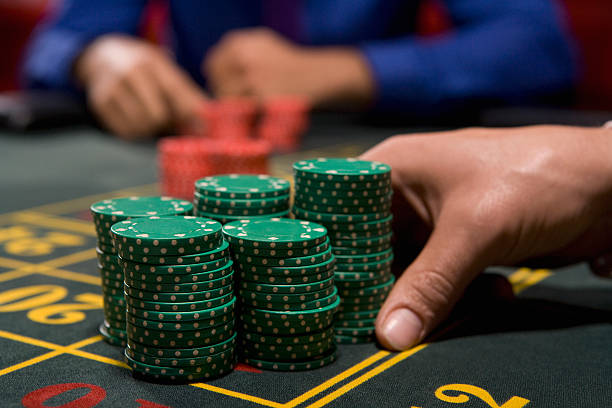
The psychological factors contributing to gambling addiction include cognitive biases, such as the illusion of control, where individuals believe they can influence the outcome of a game. This false belief can foster a sense of invincibility, making it difficult for individuals to recognize their vulnerability to loss. Emotional factors, such as stress, loneliness, or depression, can also fuel gambling as a form of escapism, further complicating the issue.
Impact on Decision-Making
The decision-making process for individuals struggling with gambling addiction is often skewed by their compulsive behaviors. Poor judgment and impulsivity can lead to significant financial losses, strained relationships, and compromised personal well-being. This altered state of decision-making can be attributed to the way the brain processes rewards and risks under the influence of addiction.
When facing a gambling opportunity, individuals may prioritize immediate gratification over long-term consequences. This impulsivity can cloud their ability to evaluate risks rationally, leading them to make decisions that they would typically avoid when in a healthier state of mind. This disconnection between thought and action can have dire repercussions on their lives.
The Role of Emotions in Gambling Behavior
Emotions play a crucial role in gambling behavior and decision-making. Many individuals turn to gambling as a way to manage negative emotions or to elevate their mood. The euphoric rush associated with winning can create a powerful emotional high, reinforcing the behavior. Conversely, losses can lead to feelings of shame and guilt, which may prompt further gambling as a means of coping.
This emotional rollercoaster can create a toxic cycle where individuals gamble to escape their negative feelings, only to experience greater emotional distress due to their gambling losses. Recognizing the role of emotions in gambling addiction is essential for developing effective treatment strategies that address both the psychological and emotional aspects of the behavior.
Treatment and Recovery Options
Addressing gambling addiction requires a multifaceted approach that includes psychological support, behavioral therapy, and sometimes medication. Cognitive-behavioral therapy (CBT) has proven effective in helping individuals recognize and change harmful thought patterns related to gambling. This therapy focuses on developing healthier coping mechanisms and decision-making skills.
Support groups, such as Gamblers Anonymous, can provide a community for individuals in recovery, fostering an environment of understanding and shared experiences. Education about the psychological aspects of gambling addiction is also vital, helping individuals and their families understand the underlying issues and reducing stigma associated with the disorder.
About Our Website
Our platform is dedicated to providing valuable information and resources on gambling addiction and its psychological underpinnings. We aim to educate individuals about the risks and realities of gambling behavior, helping them make informed decisions. By sharing insights into the psychological aspects of gambling, we hope to promote awareness and encourage those affected to seek help.
We believe that understanding the complex relationship between gambling and psychology is crucial in combating addiction. Our mission is to create a supportive environment that fosters healing, understanding, and recovery for individuals and their loved ones impacted by gambling addiction.